
A Mindful Moment
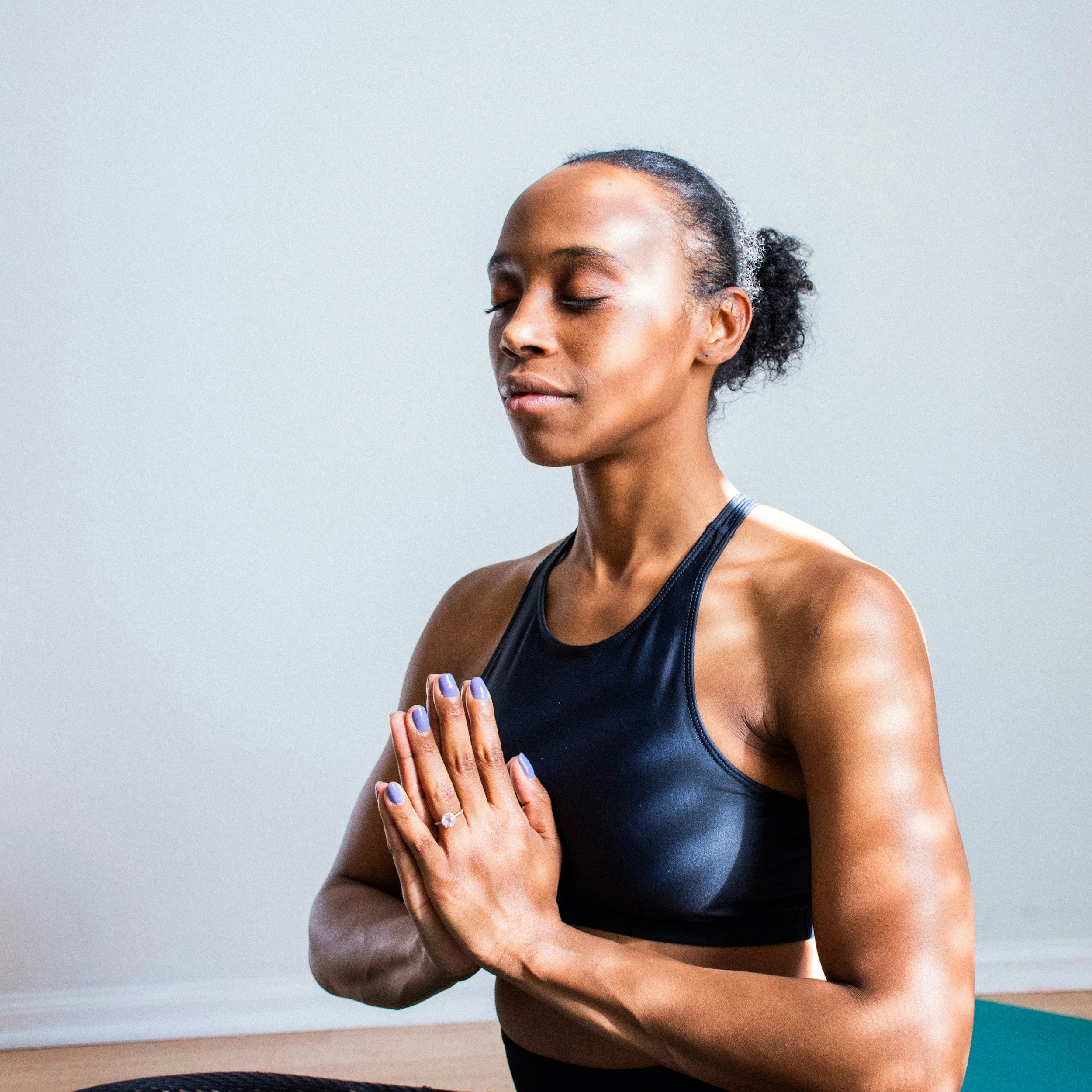
This gentle posture helps release tension in the neck, shoulders, and back while activating the parasympathetic (“rest and digest”) system — inviting the body to slow down, soften, and feel safe.
Trauma-informed note: Move slowly and only as far as feels comfortable for your body. If you feel lightheaded or uneasy at any point, gently come out of the pose and rest your hands on your thighs or a nearby surface. Your body gets to decide what feels right.
Steps for Forward Fold
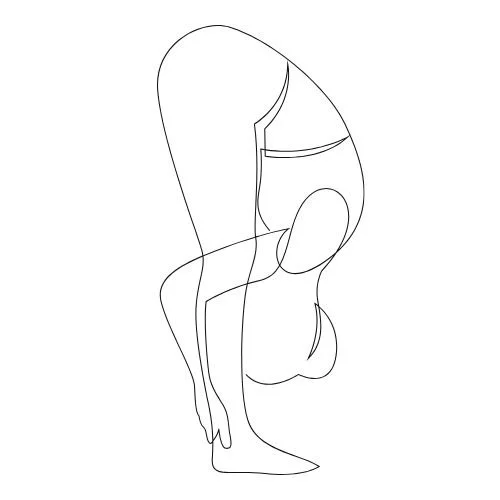
1. Stand Tall
Place your feet hip-width apart. Feel the ground beneath you and notice your weight evenly distributed.
Grounding the feet increases body awareness and signals safety through proprioceptive feedback.
2. Gently Bend Forward
As you exhale, hinge at your hips and slowly fold your torso forward.
Slow, controlled movement engages the parasympathetic system and releases muscular tension.
3. Let Your Arms Hang
Allow your arms to dangle naturally, releasing any tension in your shoulders.
The release of the arms encourages the body to let go, easing the “fight or flight” posture.
4. Cross Your Arms and Hold Elbows (Optional)
If it feels supportive, cross your arms and hold opposite elbows, letting the weight of your arms deepen the stretch.
The gentle self-embrace offers a cue of containment and safety, soothing for trauma-sensitive bodies.
5. Breathe Into Your Back Body
Bring awareness to your breath moving across your ribs and back.
Back-body breathing releases tension from the diaphragm and supports full, restorative breath.
6. Let Your Head Hang & Sway Gently
Let your head hang heavy, releasing your jaw and neck. If it feels good, sway slowly side to side.
Gentle movement resets the vestibular system and helps discharge lingering stress energy.
7. Rise Slowly
When ready, soften your knees and roll up slowly, one vertebra at a time. Let your head and neck be the last to come up.
Moving slowly upward prevents dizziness and helps integrate the sense of grounding and calm.
8. Final Deep Breath
Once upright, take one more deep breath. Notice how your body feels — perhaps a bit lighter, looser, or more at ease.
Deep breathing lowers heart rate and activates the vagus nerve, supporting calm and focus.