
A Mindful Moment: Practice with Slack
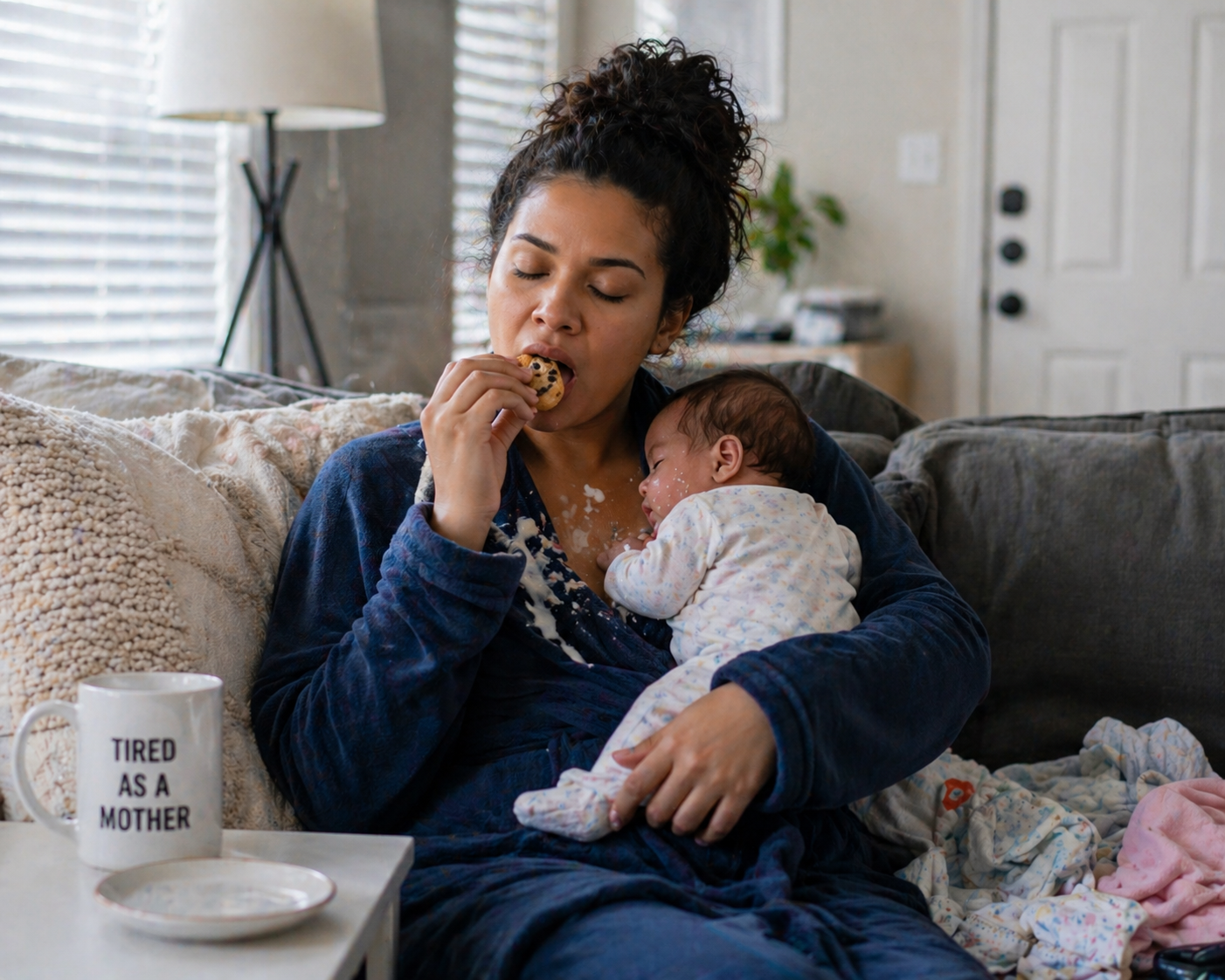
For years, I told new moms the same thing: give yourself grace. And I meant it. But after my second child was born, I realized how hollow that can sound when you are in the thick of it. When the anxiety is loud and the guilt is louder. When the symptoms feel so much like you that you can't find the edges of where they end.
Grace felt out of reach. So I started reaching for something smaller. Something more honest: Slack.
Cutting myself slack after a sleepless night with my baby and then a short fuse morning with my older child felt more manageable than grace ever could in those moments. And from that place, slack became something more. SLACK is an acronym to employ in the postpartum period and throughout early parenthood.
S: Sleep (or Rest)
When someone is struggling in the postpartum, sleep is one of the first places that I look. At the same time, it is almost impossible for a new parent to get sufficient sleep. We know fragmented sleep significantly increases the risk for postpartum depression and anxiety. And yet, waking up every few hours with a newborn to feed, change and soothe is normal. So instead of aiming for good sleep, I encourage my clients to find protected sleep. In practice, this often means working with a partner or a support person to create at least one 4-hour uninterpreted stretch of sleep whenever possible. We know that this is unlikely to happen every night, but even a few times a week can make a meaningful difference in mood regulation and coping.
When sleep is not feasible, I shift the goal to rest. Resting your body (i.e., lying down, closing your eyes, reducing stimulation) is not the same as sleep, but it still supports nervous system recovery. In this early stage of parenting, we often have to actively choose rest over productivity. There’s not always perceived value in rest when there is laundry to be done, dishing piling in the sink, and nagging thank you notes to write. But rest is a value and slowing down is essential during this delicate time.
L: Laughter
New parenting is certainly overwhelming, but at times can be quite humorous. Early parenting is relentless, but it is also unpredictable in a way that can be genuinely funny. You hand the baby to your partner, and he immediately poops. Funny. You walk outside with your shirt on inside out and spit up in your hair. Embarrassing, but funny. Something goes sideways in a way that would have once felt absurd and now feels normal.
Laughter has a measurable impact on the nervous system. It reduces cortisol (the stress hormone) and increases endorphins (the well-being hormone), which can offer brief, but meaningful relief from the chronic stress activation of early days with a new baby.
In any moment of parenting, when partners can look at each other and share even a small moment of humor, it often shifts the tone of the entire interaction. It interrupts isolation and encourages connection. I encourage clients to notice and name those moments when they happen. Make room for laughter.
A: Appetite
Appetite is another area I routinely assess during pregnancy and the postpartum period, because it gives us important information about how the body is coping. When you are not sleeping, then you need to make sure that you are eating well to nourish your body. In the postpartum period, nutritional demands are high, especially if someone is breastfeeding. But anxiety and depression can suppress appetite or make eating feel physically difficult. This is more difficult than it sounds.
When a client is experiencing anxiety or depression, they will describe a tightness in their throat, a pit in their stomach, or a complete lack of interest in food. It makes eating or keeping food down impossible.
When this happens, the goal is not a balanced, ideal meal. The goal is consistent intake. So we simplify with soft, easy goods (i.e., yogurt, eggs, toast, smoothies) are often more tolerable. Eating small amounts regularly helps to stabilize blood sugar, which directly impacts mood, energy and emotional regulation. Making sure that you are eating throughout the day and drinking enough water is important for both your mental and physical health.
I also talk with clients about outsourcing nourishment whenever possible. Accepting meals from friends and family, asking for help from neighbors, or preparing food in advance can all be helpful. Because in this stage, feeding yourself is part of treatment.
C: Connection
Isolation is the most consistent theme I hear from new parents. Even when someone is rarely alone, they can feel deeply disconnected from themselves, from others and from their previous life.
Connection is protective and finding connection can feel like a lifeline. We need people for support. Evidence and research suggests that social support is one of the strongest buffers against postpartum mood disorders.
Relying on your village is important. But connection in this stage has to be intentional and accessible. It might look like texting one person who feels safe. Sitting next to someone during a feeding. Being in the presence of another adult without needing to perform or explain. Finding people in a similar life stage can also be important. It doesn’t have to be a large network. It just has to be real enough to reduce the sense of doing this alone.
K: Keeping Each Other Healthy
One of the biggest clinical shifts I have made over time is widening the lens beyond the birthing parents. Postpartum mental health is a family system issue. We know that 1 in 10 partners experience depression or anxiety during this period. We also know that when one person is struggling, the risk increases for the other.
Part of my job is assessing how the entire system is functioning. Is each person getting any time to reset? Is there space, even briefly, for individual regulation? Are both people being supported, not just in logistics, but emotionally too?
This doesn’t mean equal time or equal roles, but recognizing the health of each person impacts the whole.
The postpartum period is one of the most demanding seasons of life, and it is one that our culture often rushes past. We celebrate the baby and forget to check on the parent. We hand out casseroles for a week and then quietly disappear.
You Will Get Through This
Healing in this season is not a straight line. It is fragmented, like sleep. It is messy, like the laundry pile, and it doesn’t always go as planned. Rather it is built slowly, in the small moments.
At some point, most new parents realize that the bar they set for themselves before the baby arrived no longer fits the reality they’re living in. SLACK is not a cure. It is not about lowering standards. It is a way of remembering what your nervous system needs in a way that protects your mental health. It’s choosing rest over perfection, connection over isolation, nourishment over ideal routines, and compassion over criticism. It’s recognizing that what you are doing (caring for a new life while your own body and mind are recovering) is inherently demanding, and deserves support, not judgment.
At Nurture Therapy, this is the work we do. Whether you are a new parent in the thick of it, a partner quietly struggling alongside, or someone who doesn't yet have the words for what you're feeling, you don't have to figure this out alone.
If any part of this resonated with you, we would love to connect. Reach out to learn more about working together.