
Understanding Postpartum Depression and When to Seek Help
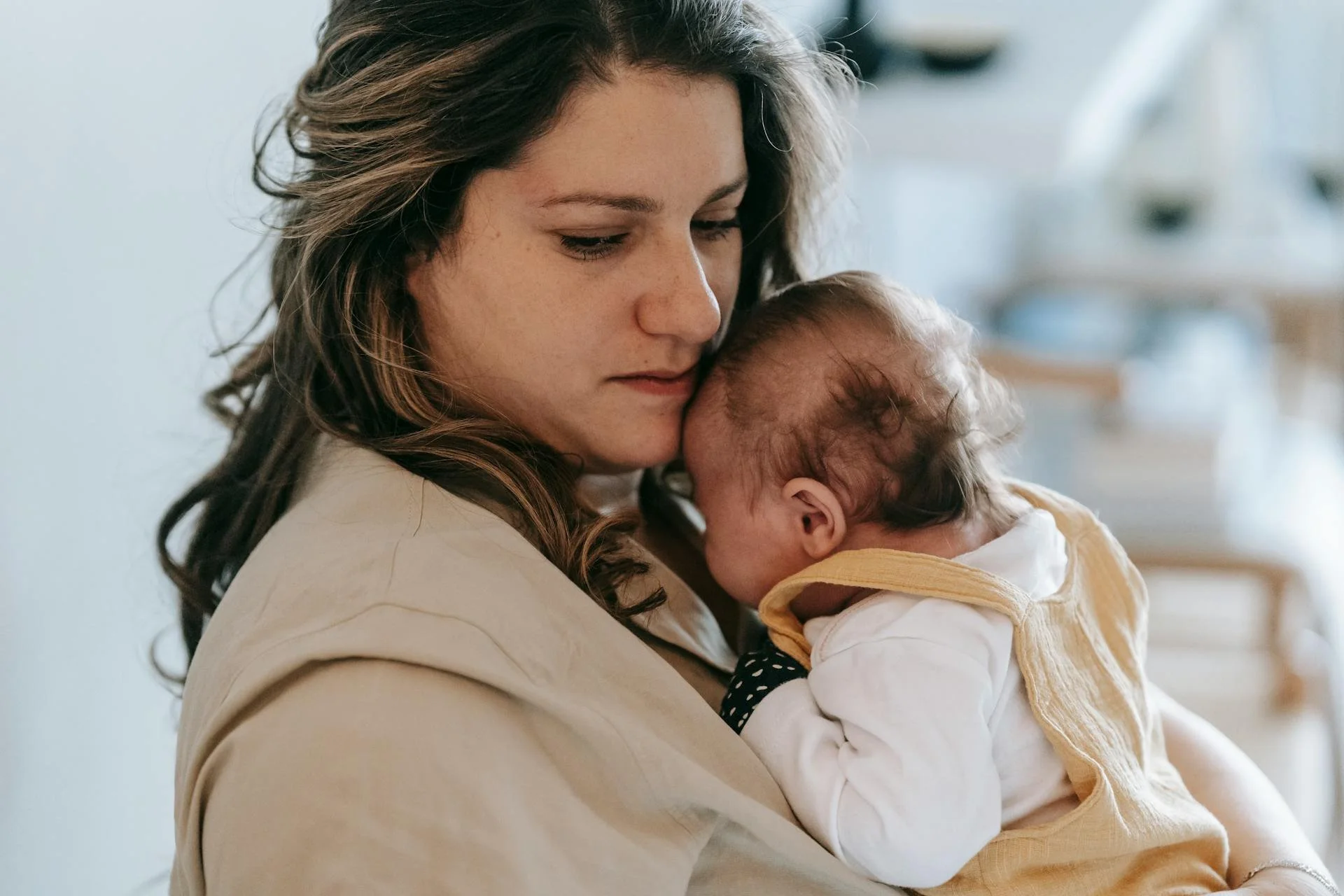
Recognizing When “Baby Blues” Become Something More
Postpartum emotions can feel like a roller coaster. One moment you may be staring at your baby with love, and the next you might feel like crying in the bathroom so no one can see. Many new parents feel overwhelmed, sad, or anxious and wonder what is “normal” and what might be a sign that they need more support.
Feeling tearful or moody in the first days after birth is common and often called the “baby blues.” Postpartum depression is different, because it is more intense, lasts longer, and affects your ability to get through the day or connect with your baby. It is a medical condition, not a sign that you are weak, ungrateful, or a bad parent. With the right care, it is highly treatable.
At Nurture Therapy, our maternal and women’s mental health practice in Chicago, we support people through all parts of the reproductive and parenting experience. Our work is grounded in trauma-informed, culturally sensitive care, so you are not just a diagnosis, you are a whole person with a story that matters.
What Postpartum Depression Is and Why It Happens
Postpartum depression is a type of depression that happens after having a baby. Unlike the baby blues, which usually lift within a couple of weeks, postpartum depression lingers and often gets in the way of daily life. It is also different from postpartum anxiety, which is more about intense worry, racing thoughts, and constant fear, although some people experience both at the same time.
There is no single cause of postpartum depression. It is usually a mix of physical, emotional, and social factors. Some common contributors include:
Hormonal shifts after birth that can affect mood
Severe sleep deprivation and exhaustion
A history of depression, anxiety, or trauma
High expectations or perfectionism about parenting
Limited emotional or practical support from others
Fertility struggles, pregnancy loss, or birth complications
Postpartum depression can affect birthing parents, partners, and non-birthing parents. It does not always show up right away in the first few weeks. It can begin anytime in the first year after birth, and sometimes even later for parents who have had a long or stressful fertility or parenting experience.
At Nurture Therapy, we pay attention to the full context of your life. Trauma-informed care means we are sensitive to past painful experiences, including medical trauma, discrimination, or family dynamics. Culturally sensitive care means we listen to how your culture, identity, and community shape what parenthood looks and feels like for you.
Signs and Symptoms You Should Not Ignore
Postpartum depression can take many forms, and it does not always look like “crying all the time.” Emotional signs might include:
Persistent sadness, emptiness, or numbness
A sense of being “flat” or like you are watching your life from the outside
Intense guilt or shame, especially about not feeling “happy enough”
Irritability, anger, or feeling on edge most of the time
Feeling detached from your baby or others, or feeling like you are “not yourself”
There are also physical and behavioral signs to pay attention to. These might be:
Changes in sleep or appetite that are not only about feeding or soothing your baby
Very low energy, feeling weighed down, or moving more slowly
Trouble concentrating, making decisions, or remembering things
Withdrawing from friends, family, or activities you used to enjoy
Some symptoms call for more urgent attention. These may include frequent crying spells that feel out of control, intrusive or scary thoughts about harm coming to you or your baby, fear of being alone with your baby, or thoughts of self-harm or wanting to disappear. Having these thoughts can be terrifying, and many parents feel too ashamed to speak them out loud, but they are a sign you deserve immediate and compassionate support.
One helpful way to tell if something more serious is going on is to notice how long the symptoms have lasted, how intense they feel, and how much they interfere with daily life, parenting, work, and relationships. If you feel stuck in a fog that will not lift, it is important to take that seriously.
How to Know if It’s Time to Ask for Help
Many parents delay asking for help because they think they should be able to “push through” or because people around them say that this is just what motherhood or early parenting is like. If you are wondering whether it is time to get support, you might ask yourself:
Am I struggling most days to get through basic tasks?
Do I feel hopeless, empty, or like things will never get better?
Is it hard or impossible to feel joy or connection, even during good moments?
Am I hiding how bad I feel from others, or pretending I am fine?
If something feels off, your instincts matter. You deserve to be taken seriously, even if others tell you that you are just tired or hormonal. You do not need to wait until you are at a breaking point before you seek help.
You can talk with a therapist, your OB-GYN, midwife, or primary care provider about what you are feeling. If you ever have thoughts of harming yourself or your baby, or feel that you cannot stay safe, it is important to get immediate crisis or emergency support. For many families, local, specialized postpartum depression therapy in Chicago can be especially helpful, because it is easier to attend and is tailored to perinatal and postpartum needs.
What Postpartum Depression Therapy Looks Like in Real Life
Starting therapy can feel intimidating when you are already exhausted, so it helps to know what to expect. An initial consultation usually includes sharing your story, what pregnancy and birth were like, what your days look like now, and how your symptoms are affecting you. Together, you and your therapist create a plan that feels realistic and respectful of your current capacity.
Therapists often draw on approaches such as cognitive-behavioral therapy, which helps you notice and gently shift unhelpful thought patterns, and interpersonal therapy, which focuses on relationships, roles, and support systems. A trauma-informed lens means going at a pace that feels safe, honoring your boundaries, and recognizing how past experiences show up in the present.
At Nurture Therapy, we understand that postpartum depression does not exist in a vacuum. Therapy often includes space to process birth trauma, fertility challenges, NICU experiences, relationship stress, and the deep identity changes that come with becoming a parent. For some, it is helpful to include a partner or family member in some sessions to build understanding and support at home.
Postpartum depression therapy in Chicago can look different for each family. Some prefer individual sessions focused on personal healing. Others benefit from couples or family work to address communication, division of labor, and parenting expectations. Virtual and in-person options can make it easier to fit therapy into nap schedules, work demands, and the unpredictability of life with a baby.
Finding Support and Taking the Next Step in Chicago
Choosing to seek help for postpartum depression is an act of care for yourself and for your family. It is not a sign you are failing at parenthood. Many parents tell us that naming what is going on and getting support is the first moment they start to feel a little less alone.
If you are not sure how to begin, it can help to start small:
Share honestly with a partner or trusted friend about how you are really feeling
Write down your symptoms, questions, and worries so you remember them in appointments
Tell your medical provider or therapist that you are concerned about postpartum depression
Ask about support that considers your cultural background, family structure, and personal history
For parents in Chicago, exploring postpartum depression therapy close to home can make support feel more accessible and grounded in your community. At Nurture Therapy, our focus on maternal and women’s mental health means we recognize the full range of experiences that can shape this season of life, from fertility and pregnancy to postpartum and parenting.
Healing from postpartum depression is possible. With the right care, many parents find that their mood improves, their sense of self returns, and connection with their baby grows over time. You do not have to go through this alone, and you deserve support that honors who you are and what you have been through.
Take The First Step Toward Feeling Like Yourself Again
If you are struggling after birth, you do not have to figure this out alone. We offer compassionate, specialized postpartum depression therapy in Chicago to help you feel more grounded, supported, and connected. Reach out today to contact us so we can explore how Nurture Therapy can support you in this season of your life. Together, we can create a plan that feels manageable and aligned with what you need right now.